HISTORY MATTERS 365
  • Home
  • About
  • CHRONICLES TEXTBOOK
  • BLOG
  • Leaving Cert History
    • Research Study Report (RSR)
    • Ireland >
      • The Pursuit of Sovereignty and the Impact of Partition, 1912-49
      • Government, Economy and Society in the Rep. of Ireland, 1949-89
    • Europe and the Wider World >
      • Dictatorship and Democracy, 1920-45
      • The United States and the World, 1945-89
    • Leaving Cert History Exam Centre
    • Leaving Cert History Exam Papers and Marking Schemes
  • Junior Cycle History
  • Teacher Mailing List
  • Useful Links for History Teachers
  • Archived: Junior Cert History Exam Papers
  • Contact

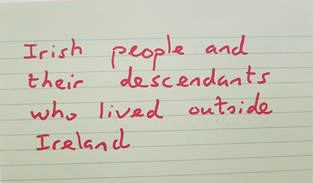
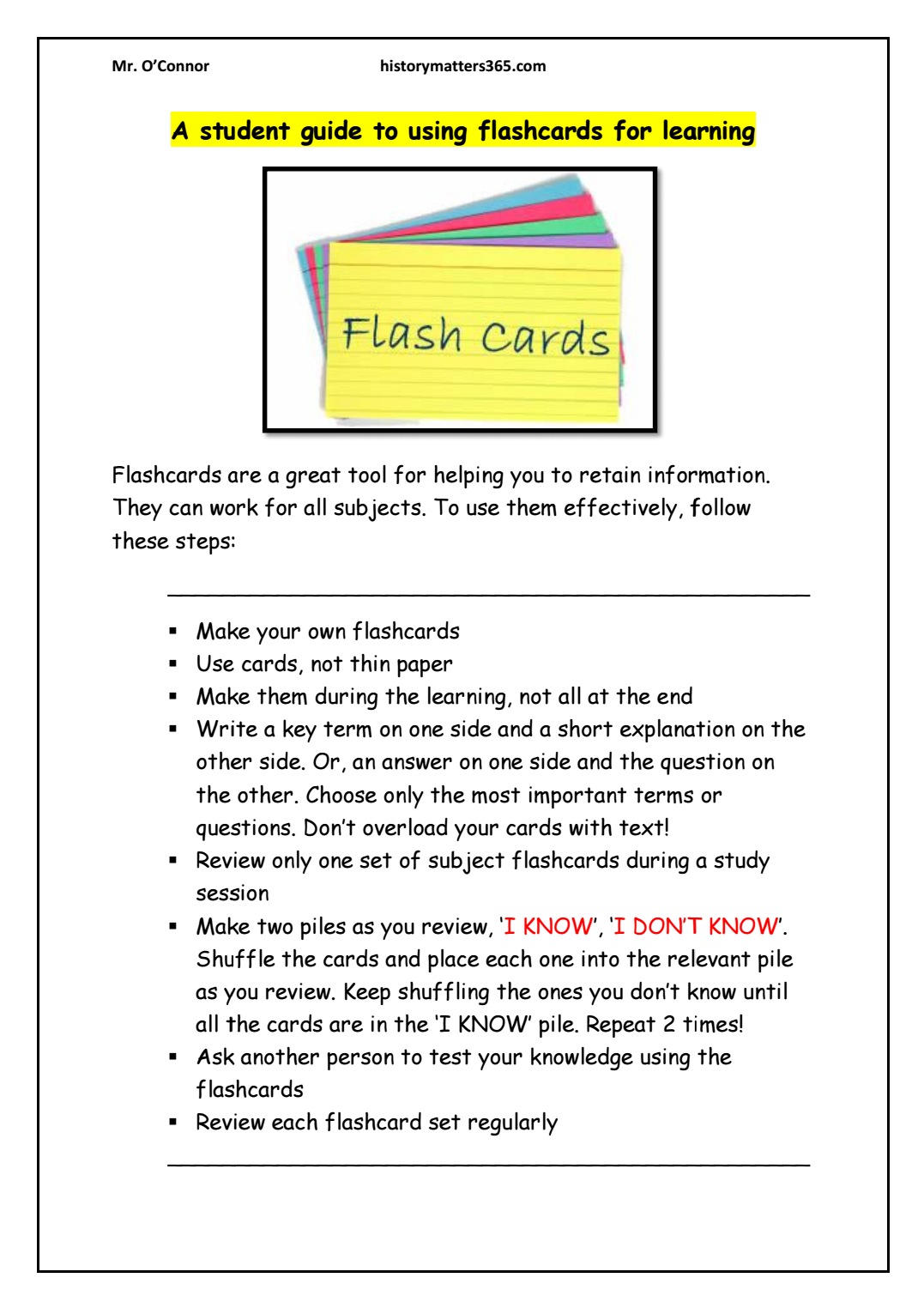
A student guide to using flashcards for learning

2/12/2017

0 Comments

 
Flashcards are a very effective tool for helping students retain knowledge. This is a particularly useful strategy for history. Below is a student guide to using flashcards. This can be downloaded and printed.
Picture
Picture
Picture
Download and print guide:
a_student_guide_to_using_flashcards_for_learning.pdf
File Size: 267 kb
File Type: pdf
Download File

0 Comments

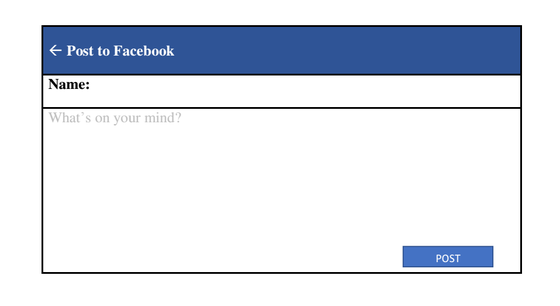
Exit slip: Facebook status update

13/11/2017

0 Comments

 
Exit slips help students reflect on what, and how they learn. A few minutes before the lesson concludes, the teacher gives the students a verbal prompt. Examples:
  • Explain a key concept 
  • What did you learn today?
  • What did you enjoy about today's lesson?
  • ​How could the lesson have been better?
  • What question(s) do you still have?
Picture
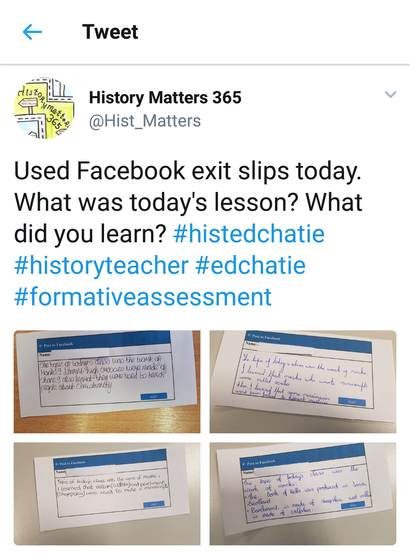
Below is a Facebook status exit slip. These are distributed. Students follow the prompt and compose their thoughts. The teacher collects the exit slips and uses them to help plan the next lesson.

They could be put on display and used as an aid to recap what was learned in the last lesson. 
Picture
facebook_exit_slip.pdf
File Size: 400 kb
File Type: pdf
Download File

0 Comments

Plan a leaving cert history essay using topic sentence

7/11/2017

0 Comments

 
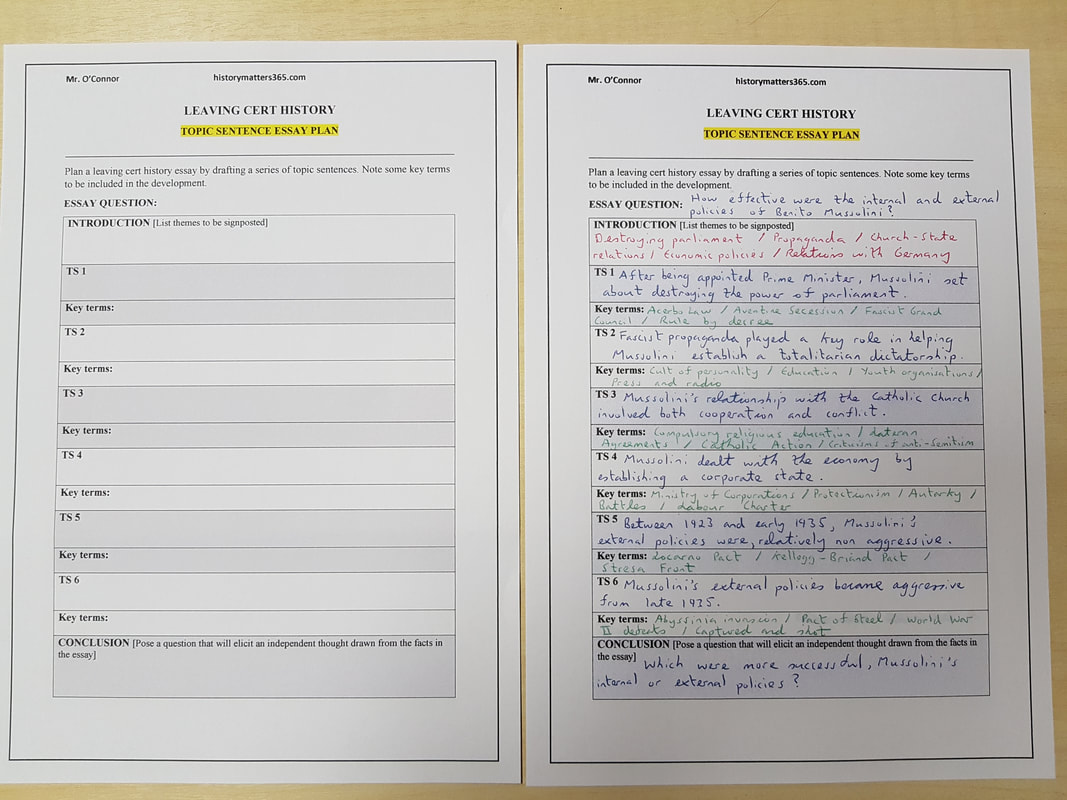
Below is a resource for planning a leaving cert history essay using topic sentence. 

A topic sentence indicates the theme of a main body paragraph. The main themes of the essay should be signposted in the introduction. Usually, it is the first sentence of a paragraph, but not always. For example, it could be the last sentence of the previous paragraph. One topic sentence can be used for 1 or 2 main body paragraphs. 

Having considered the question, draft a set of topic sentences. The essay should contain between 4 and 6 topic sentences. For each topic sentence, list approximately 4 key terms to be used in the development. 

The conclusion can briefly summarise the main points of the essay. However, in order to go beyond summary marks [4], you must do more. I advise asking a question that will illicit an independent thought drawn from the facts in the essay. 

Once the plan is complete, begin writing your essay using information from your textbook, notes and online resources. 

For more tips on leaving cert history essay writing, refer to this target sheet.
Picture
topic_sentence_essay_plan.pdf
File Size: 165 kb
File Type: pdf
Download File

0 Comments

10 great teaching strategies for history

29/10/2017

0 Comments

 
Picture
Picture

Picture
Picture

Picture
Picture

Picture
Picture

Picture
Picture
0 Comments

Compose a Tweet

29/10/2017

0 Comments

 
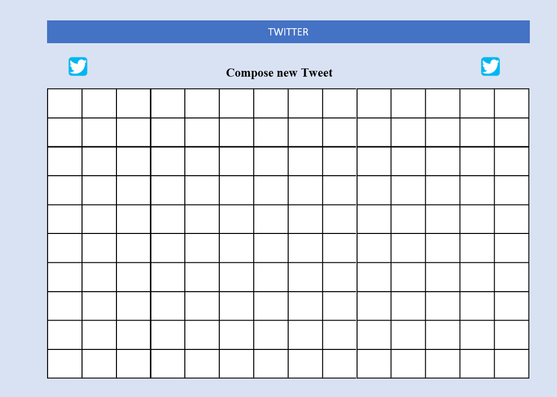
Compose a Tweet is a plenary activity. Students tweet about the learning using 140 or 280 characters e.g. a new fact from today's class you found interesting. They add a suitable hashtag at the end which links to the learning. 

Two printable templates below. One for 140 characters, and a second for 280 characters.
Picture
140 characters
compose_new_tweet.pdf
File Size: 332 kb
File Type: pdf
Download File

280 characters
compose_new_tweet_[280_characters].pdf
File Size: 334 kb
File Type: pdf
Download File

0 Comments

Self-Created Match-Up

28/10/2017

0 Comments

 
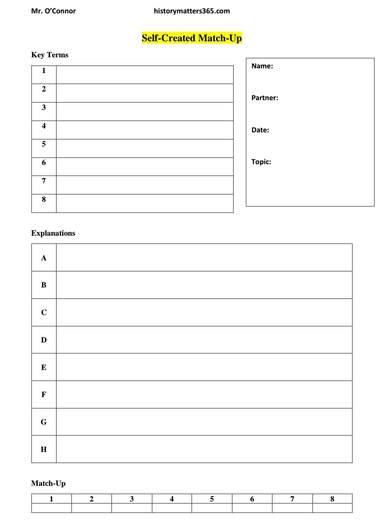
Match-up exercises are a simple and effective way to check that students understand the meaning of key terms. They are especially useful for learning history. Teacher created match-ups are good, student created match-ups are better. 

Below is a blank template that can be printed, copied and given to students. Students work in pairs. The student selects 6-8 of the most important key terms from the learning. The student then constructs an explanation for each. Once the match-up is ready, it is given to his/her partner to complete. The student will assess the work and give feedback. 

The teacher should interact with the pairs as they work, giving advice, answering questions and noting how well the students are matching key terms with explanations. Are there key terms that are proving difficult?

Once the pairs are finished working, the teacher should take whole class feedback. Note chosen key terms on the board in the form of a word cloud. Students share any key terms they were/are unsure of. The teacher circles these for emphasis, and for further discussion. Use the word cloud to elicit verbal explanations from individual students. 

Once the students are happy that they can explain each of the key terms, the class moves on with the learning.
Picture
self-_created_match-up.pdf
File Size: 310 kb
File Type: pdf
Download File

0 Comments

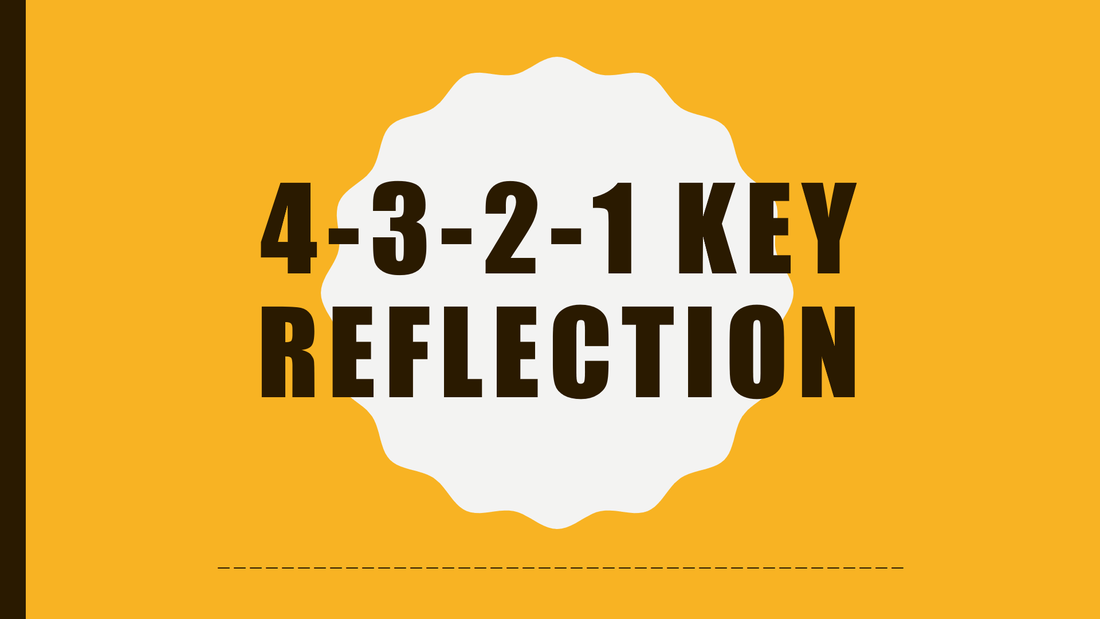
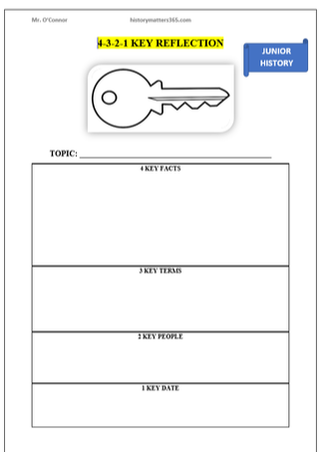
4-3-2-1 Key Reflection

22/10/2017

0 Comments


4 Key Facts
3 Key Terms
2 Key People
1 Key Date

Picture
4-3-2-1_key_reflection.pdf
File Size: 176 kb
File Type: pdf
Download File

0 Comments

New junior cycle history specification [With less learning outcomes!]

20/10/2017

0 Comments


Click here to view the new specification for junior cycle history

Picture
0 Comments

Junior Cert History: Exam structure and past exam questions by topic [Higher Level] Updated for 2020!

30/9/2017

0 Comments

 
Below is a very useful Junior Cert History exam resource [Higher Level]. It should be used with past exam papers. It includes:
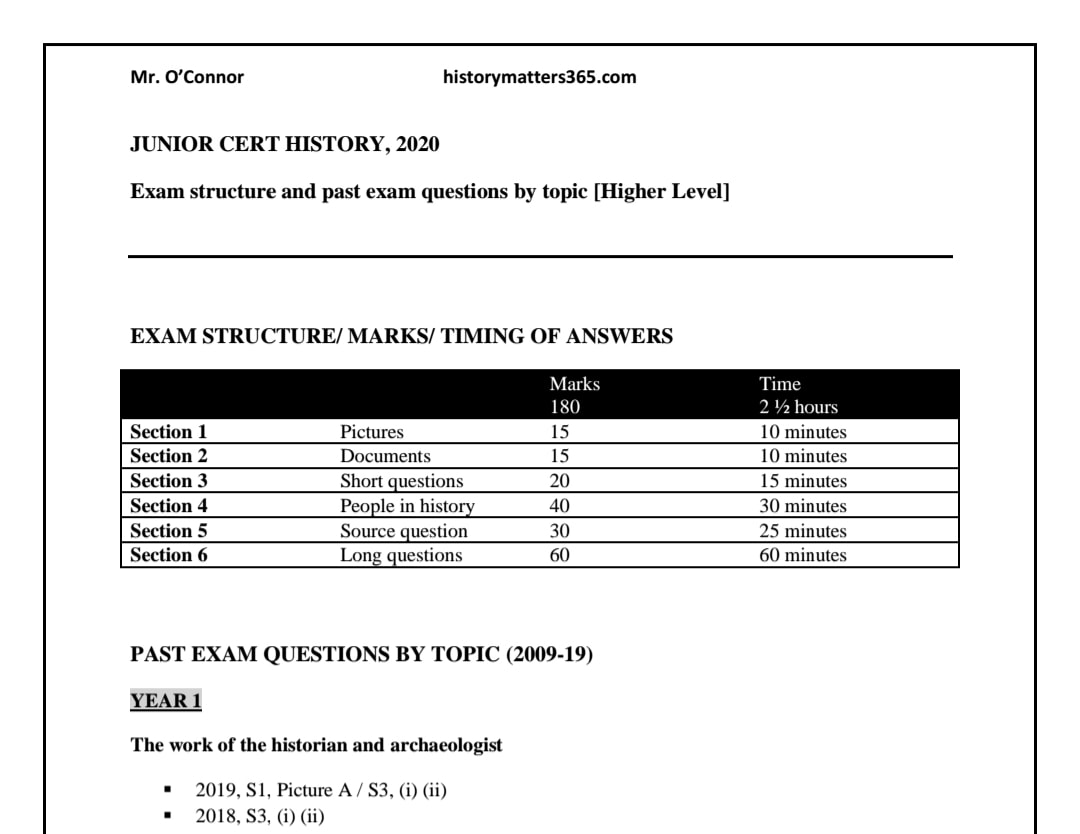
  •  Exam structure table showing:
    • Marks available for each section  
    • How much time a student should spend on each section
  • Past exam questions by topic [2009-19]​
Picture
jchist_exam_structure_and_past_exam_questions_by_topic.pdf
File Size: 141 kb
File Type: pdf
Download File

0 Comments

Leaving Cert History Results 2017

17/8/2017

0 Comments

 
Picture
0 Comments

Junior cycle history format ‘will turn students off’

26/5/2017

0 Comments


Irish Examiner, May 10th 2017- Junior cycle history format ‘will turn students off’

0 Comments

Cork HTA Report on the Junior Cycle History Draft Specification

26/5/2017

0 Comments


Read here: ​Cork HTA report on the junior cycle history draft specification

Picture
0 Comments

Draft Specification for Junior Cycle History

29/3/2017

0 Comments


Read here: junior cycle history draft specification

Picture
0 Comments

Cork HTA: Junior Cycle History as core. Misconceptions arising from replies by Senators and TDs

13/3/2017

0 Comments


Junior Cycle History as core. Misconceptions arising from replies by Senators and TDs https://t.co/t81NVGNYql #edchatie #CorkHTA #LCHist pic.twitter.com/rzBqZVV9jc

— Cork HTA (@corkhtai) March 13, 2017
0 Comments

YouTube and effective use of video clips

16/2/2017

0 Comments

 
Picture
Video clips are an excellent teaching and learning resource. At the fore of their use for education is YouTube. There are a few golden rules that should be followed in order to ensure video clips, YouTube or otherwise, are used effectively.

Learning should not be passive! Don't just press play and expect students to learn. Video clips should always be watched with purpose. I suggest preparing a worksheet with questions and a follow-up exercise to go with the video clip.

​Select material with caution. Don't play a video clip in class without first viewing it yourself. 

Short clips are best! Anything more than 10 minutes, and students begin to tune out. In my experience, clips of between 5 and 10 minutes are ideal. 


Introduce an inquiry question to start; one overarching question that the class will discuss having watched the clip and completed the worksheet. This approach is especially useful for teaching History. E.g. What was the impact of the Third Home Rule Bill?

Use pause function. Pause the clip at opportune times and gather question responses or give students a chance to write a long answer on the worksheet. Take feedback. This ensures students are live to the clip. It also tells you if they are learning effectively during the viewing part of the lesson. 

Assign a follow-up exercise. They can use what they have learned from the video clip but they will also need to investigate a new source. For example, a match-up exercise where students must now also research the relevant section of the textbook. 

Having completed the worksheet, including the follow-up exercise, return to the inquiry question. Discuss! If the learning has been effective, students should be able to discuss the inquiry question more confidently than at the start.


Always have a back up plan. We've all been there. You have the perfect video clip and a super worksheet with a follow-up exercise. You're all set, only for the projector to break down or the internet to disconnect. Expect the unexpected.

Don't overuse video clips in class. The more you use them the less effective they become. Vary your teaching and learning methods!

Below are two useful resources. The first is a YouTube based lesson for junior students on the Impact of the Third Home Bill. The clip and the accompanying worksheet are used by students to investigate an inquiry question. There is also a follow-up exercise. 

The second is a blank video clip question worksheet. I use this resource with my junior classes. A busy teacher does not always have time to make an individual video clip worksheet from scratch. This resource can be used when time is limited. Hand write questions onto the sheet and photocopy as appropriate. Assign your follow-up exercise separately.
YouTube based lesson
Inquiry Question: What was the impact of the Third Home Rule Bill?
student_worksheet_-_the_home_rule_crisis.pdf
File Size: 281 kb
File Type: pdf
Download File

Video clip question worksheet
Picture
video_clip_question_worksheet.pdf
File Size: 106 kb
File Type: pdf
Download File

0 Comments
<<Previous
Forward>>

    History Matters 365 Blog

    Picture

    Author

    Christian O'Connor, history teacher, St. Mary's Secondary School, Mallow, Co. Cork.

    Categories

    All
    Chronicles
    Curriculum Reform
    Educational Technology
    General Interest
    History Teaching Strategies
    Junior Cert Resources [OLD]
    Junior Cycle Resources
    Leaving Cert Resources
    Promoting History

    Social Media

    Tweet #histedchatie
    Picture

    Mailing List

    Teacher Mailing List

      Contact Form

    Submit
  © 2026 History Matters 365
​     All rights reserved.